Composite Filling
Oral and dental health is an integral part of general body health. Dental caries are one of the most common infectious diseases in the world and, if left untreated, can lead to tooth loss, pain, and systemic infections.
The primary goal of dentistry is to clean the tooth tissue damaged by decay or trauma and restore the lost form, function, and aesthetics to the tooth. While metal alloys (amalgam) were frequently used for this purpose in the past century, thanks to revolutionary developments in material science today, tooth-colored resin-based materials, namely Composite Filling applications, have become the gold standard. Applying current dentistry protocols in the Thrace region, Kırklareli Dental Clinic Atlas Sea Dental aims to restore patients’ dental health with preventive and aesthetic approaches.
What is a Composite Filling? Chemical Structure and Properties
Composites, also known colloquially as “white fillings” or “light-cured fillings,” are hybrid materials obtained by adding inorganic filler particles (quartz, silica, glass, ceramic, etc.) into an organic polymer matrix. The greatest feature of these materials is their ability to mimic the optical properties (light refraction, reflection) of tooth enamel.
Previously used only for aesthetic purposes in front teeth, these fillings have been made physically much more resistant with the development of nanotechnology. Current Composite Filling materials with “Nano-hybrid” structures are now safely used even in posterior molars where chewing pressure is very high. In the Atlas Sea Dental clinical approach, material selection is also meticulously made according to the region of the case and the force it will be exposed to.
What is the Difference from Amalgam (Metal) Fillings?
Amalgam fillings, used in dentistry for many years, consist of a mixture of silver, tin, copper, and mercury. Although mechanically durable, their non-aesthetic gray/black color and inability to chemically bond to tooth tissue are their biggest disadvantages. For amalgam to hold, it is necessary to remove sound tissue from the tooth and open special keyed cavities.
However, Composite Filling chemically and micromechanically adheres to tooth tissue thanks to adhesive systems called “bonding.” This feature makes it sufficient for the physician to only clean the decay; there is no need to abrade extra sound tooth tissue for the filling to hold. This situation is the basis of the “Minimally Invasive Dentistry” (Tissue Preserving Dentistry) principle. Kırklareli Dental Clinic Atlas Sea Dental physicians emphasize that preserving healthy tooth tissue is as important as the treatment performed.
Application Stages and Treatment Process
The success of composite fillings depends on how much the physician adheres to the application technique and isolation rules. This procedure requires technical precision. A standard Composite Filling procedure includes the following stages:
- Anesthesia and Caries Removal: The tooth to be treated is numbed with local anesthesia. Caries tissue is completely cleaned with the help of high-speed rotary instruments or lasers. If there is an old filling, it is removed at this stage.
- Isolation: The environment must be absolutely dry for the composite material to adhere to the tooth. Saliva, blood, or moisture causes the filling to fall out or leak. Therefore, the tooth is isolated using cotton rolls or a “Rubber Dam.” In Kırklareli Dental Clinic Atlas Sea Dental treatment standards, isolation is a critical step determining the life of the filling.
- Acid and Bonding (Preparation): Phosphoric acid gel is applied to open microscopic pores on the tooth surface, washed, and dried. Then, an adhesive agent called “bond” is applied and hardened with light. This agent acts as a bridge between the tooth and the filling.
- Layering and Light Curing (Polymerization): The Composite Filling material is placed into the cavity not as a single piece but in layers (2 mm layers). Each layer is hardened separately with a special blue light device (LED). The layering technique is mandatory to prevent shrinkage of the filling and stress formation on tooth walls.
- Height Check and Polishing: After the filling process is finished, the patient’s chewing movement is checked. If there is height, it is abraded. Finally, the filling is polished using special discs, rubbers, and polishes. A smooth surface prevents plaque accumulation and ensures the natural shine of the filling.
Aesthetic Advantages and Anterior Zone Applications
The strongest aspect of composites is their aesthetics. They reflect the color of the surrounding tissue by showing a chameleon effect. In this way:
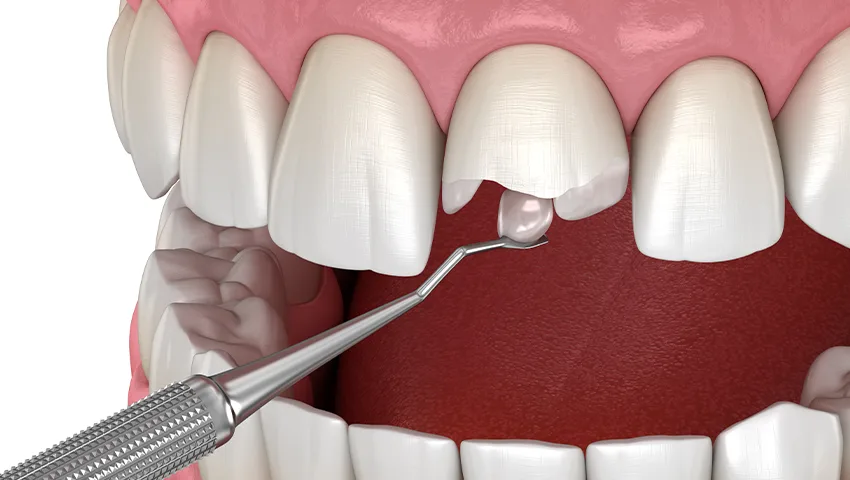
- Broken Tooth Restoration: Front teeth broken as a result of trauma can be repaired unnoticeably with Composite Filling.
- Diastema Closure: Spaces between teeth can be closed with the bonding method without cutting the tooth.
Shape Change: Small or malformed teeth can be reshaped.
In aesthetic applications within Atlas Sea Dental, a natural smile design is aimed by mimicking not only the color of the tooth but also its transparency and surface texture.
Durability in Posterior Teeth
One of the most frequently asked questions by patients is “Does the white filling withstand chewing?”. Old generation composites were not resistant to wear, but today’s reinforced Composite Filling materials show durability as much as amalgam fillings, and in some cases even more. Thanks to its adhesion property to the tooth, it increases the resistance of the tooth and supports it against fractures. Kırklareli Dental Clinic Atlas Sea Dental physicians can recommend porcelain inlay/onlay restorations instead of fillings in very large substance losses.
Sensitivity and Post-Operative Situation
After the treatment of deep caries, it is considered normal to have some sensitivity during the healing process of the tooth’s nerve tissue (pulp). Especially cold sensitivity may last for a few days or weeks after the filling. This situation is usually temporary. However, the intensification of pain or waking up at night may be a sign that the tooth needs root canal treatment. Correct application of acid and bonding agents used during Composite Filling construction is the most important factor minimizing post-operative sensitivity.
Lifespan and Maintenance
No restoration is as permanent as natural tooth tissue. However, a well-made Composite Filling can remain in the mouth for an average of 7 to 10 years, or even longer, provided that the patient pays attention to oral hygiene.
Factors shortening the life of the filling:
- Insufficient oral hygiene (not brushing teeth).
- Teeth clenching and grinding (bruxism).
- Cracking hard-shelled foods with teeth.
- Excessive consumption of acidic foods.
Kırklareli Dental Clinic Atlas Sea Dental patients are called for regular 6-month check-ups, where the marginal fit and polish of the fillings are checked, and if necessary, polishing is done to extend the life of the filling.
Resistance to Discoloration
Old composites could yellow over time with factors like tea, coffee, and cigarettes. However, since the surfaces of modern nanotechnological fillings can be polished much smoother, their stain retention rates are quite low. Still, superficial discolorations may occur over time in individuals who consume intensely coloring foods. This situation can be removed with a simple cleaning and polishing process performed at Kırklareli Dental Clinic Atlas Sea Dental, and the filling is restored to its first-day brightness.
Composite Filling in dentistry is the treatment method most respectful to tooth tissue, meeting both aesthetic and functional expectations. Early diagnosis and restoration of caries eliminates the need for root canal treatment or tooth extraction that may occur in the future. Far from the cold and unaesthetic appearance of metal, these fillings, integrated with the natural tooth structure, are one of the greatest comforts offered to patients by modern dentistry.
For a healthy mouth and a radiant smile, the physician’s experience and application precision are as important as the quality of the filling material. Kırklareli Dental Clinic Atlas Sea Dental continues to provide world-class restorative dentistry services to the people of the region with its technological infrastructure and expert staff.