

İçindekiler
Aesthetic and Durable Dental Crown Types in Prosthetic Treatment
Our smile is one of our most noticeable features at first impression. However, due to decay, fractures, discoloration, or deformities, many people prefer to hide their teeth when smiling. Thanks to dental crown technologies offered by modern dentistry, achieving your dream “Hollywood Smile” is now very easy. As Atlas Sea Dental, we meet your functional and aesthetic expectations at the highest level with personalized solutions in aesthetic dentistry in Kırklareli.
What is a Dental Crown?
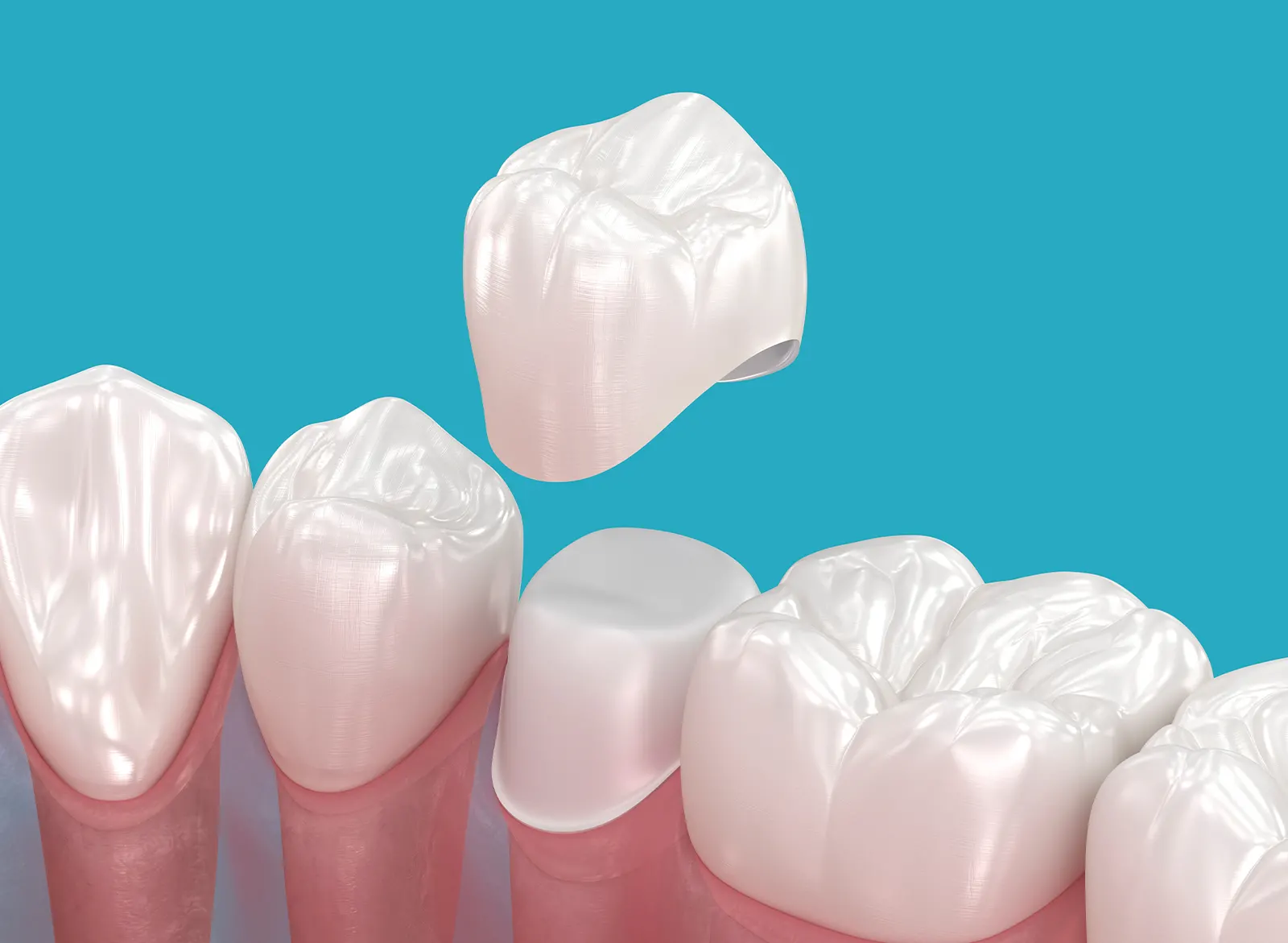
A dental crown (veneer) is the restoration of the visible part of the tooth by covering it completely with various materials. This process both corrects the aesthetics of the tooth and increases its durability. While there were only porcelain crowns in the past, today, metal-free and tissue-friendly materials that mimic the light transmission of natural teeth are used thanks to developing technology. Dental crown application is where dentistry meets art.
In Which Situations Are Dental Crowns Applied?
- Decay or Trauma: On teeth with excessive material loss that cannot be saved with a filling.
- After Root Canal Treatment: Teeth that have undergone root canal treatment are fragile. Dental crowns protect these teeth against breakage.
- For Aesthetic Purposes: To change the color, shape, and size of the teeth.
- Diastema Closure: Closing the gaps between teeth.
- Crowding: Correction of mild crowding in patients who do not want orthodontic (braces) treatment.
Types of Dental Crowns and Materials
he subject our patients wonder about most is which type of dental crown is suitable for them. The main types we apply at Atlas Sea Dental are:
- Zirconium Dental Crowns: White-colored and highly durable zirconium alloy replaces the grey metal under traditional metal-supported porcelains. Advantages: High light transmission, looks like a natural tooth. Does not cause metal allergies. Does not cause bruising/graying on the gums. Good heat insulation, less hot-cold sensitivity. It is safely used on both front and back teeth. It is the most preferred type today when it comes to dental crowns.
- Full Ceramic (E-Max / Empress) Crowns: These are reinforced glass ceramics. They contain no metal or zirconium infrastructure. Advantages: It is the superior material aesthetically. It transmits light perfectly. It is especially preferred for front incisors where aesthetic expectations are very high.
- Metal-Supported Porcelain Crowns: It is made by placing a metal skeleton under the porcelain. Advantages: Economical and durable. Generally used for back teeth, long bridges, or situations where aesthetics are secondary. However, it may cause a gray reflection at the gum line over time.
- Laminate Veneers (Leaf Porcelain): It is a dental veneer method applied by abrading very little (0.3 – 0.7 mm) only from the front surface of the tooth (sometimes without any abrasion) without cutting the entire tooth. It is bonded to the front of the tooth like a false nail. It is the most protective aesthetic treatment method.
Digital Smile Design and Mock-Up
At Atlas Sea Dental, we perform “Digital Smile Design” before starting the dental crown process. We take photos and videos of our patient and design their new teeth digitally. With an application called “Mock-up,” we show how it will look in the final result with temporary materials in the patient’s mouth before touching the teeth at all. Thus, the risk of encountering surprise results is eliminated.
How Long Does the Treatment Process Take?
Dental crown treatment generally takes 3 sessions and is completed within an average of 1 week – 10 days.
- Preparation: Teeth are anesthetized and shaped for measurement (preparation). Digital or silicone impressions are taken. Temporary teeth are fitted to the patient in the same session. This ensures the patient is not toothless during treatment and experiences no sensitivity.
- Rehearsal: The infrastructure or teeth coming from the laboratory are tried in the mouth. Color, shape, bite, and gum harmony are checked. Patient approval is obtained.
- Cementation (Bonding): The polished dental crown is fixed to the tooth with special strong adhesives.
Lifespan and Care of Crowns
A well-made dental crown can be used for 10-15 years, or even longer, with good oral care.
- Like natural teeth, they should be brushed twice a day and dental floss should be used. Special floss or interface brushes should be used, especially for under bridges.
- Traumatic actions such as cracking nuts, walnuts, or opening bottle caps should be avoided.
- If there is a habit of teeth clenching (bruxism), the dental crown should be protected by using a night guard.