

İçindekiler
Why Do Gums Bleed? Symptoms and Treatment Methods
When oral health is mentioned, dental cavities usually come to mind. However, the fundamental structures holding the teeth in place are the gums and the jawbone. Gum bleeding is one of the most common health problems in society, yet unfortunately, it is also one of the most neglected. The thought “It bled while brushing, it will pass” can be the beginning of the road to irreversible tooth loss. As Atlas Sea Dental, we want to raise awareness among our patients in Kırklareli about this “silent danger” and detail the underlying causes of gum bleeding complaints.
What Do Healthy Gums Look Like?
o understand the disease, one must first define health. A healthy gum:
- Is pale pink (rose dry) in color (may have a stippled, orange-peel texture).
- Wraps the tooth tightly and ends like a knife-edge.
- Does not bleed at all while brushing or eating.
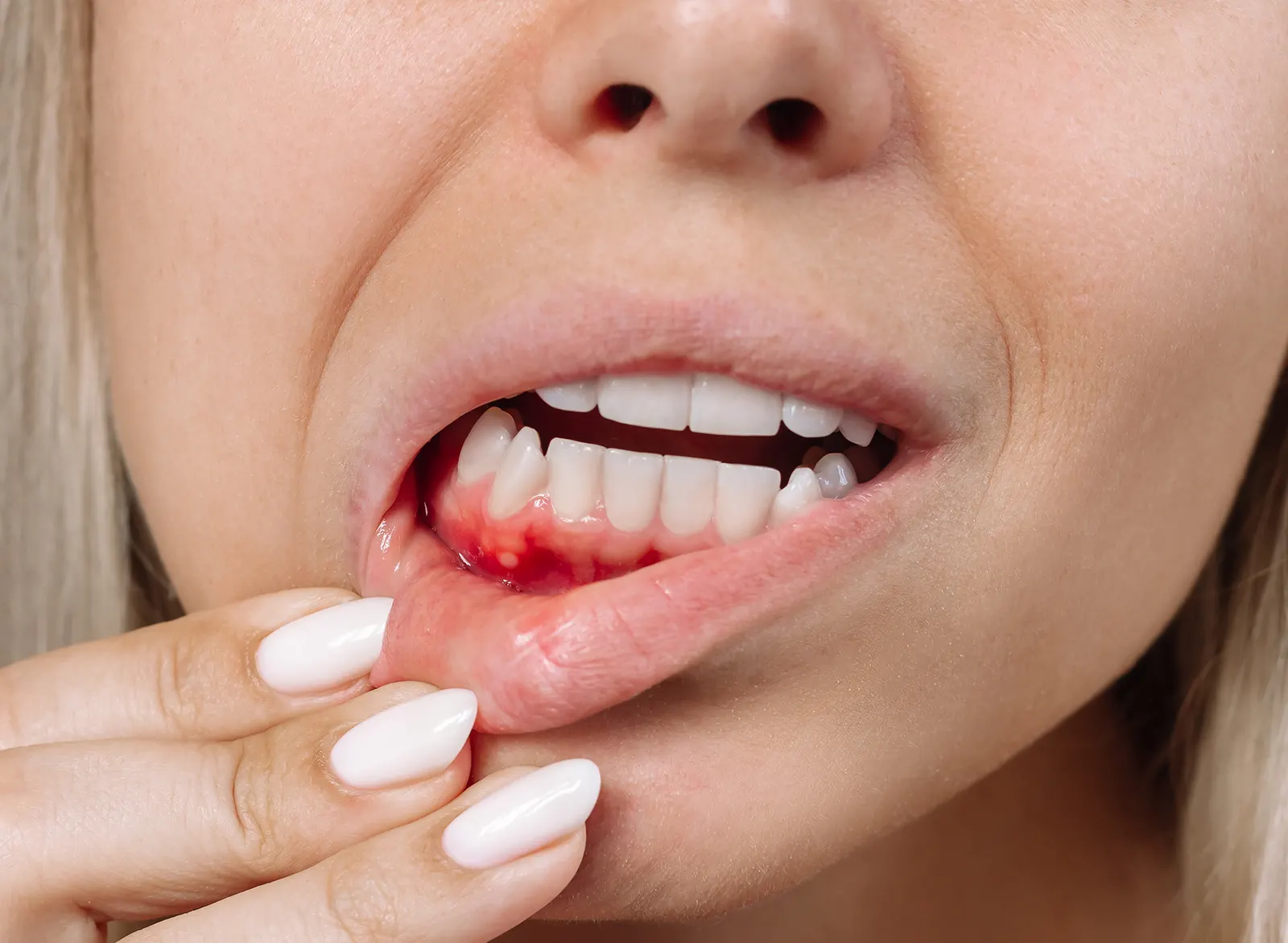
If your gums are red, swollen, have a shiny surface, and you experience gum bleeding at the slightest touch, you have gum disease.
The Main Cause of Gum Bleeding: Bacterial Plaque
Millions of bacteria live in our mouths. As a result of not cleaning food residues, these bacteria form a sticky layer called “microbial dental plaque” on the tooth surface. Plaque can be cleaned with a toothbrush. However, if not cleaned, it combines with minerals in saliva, hardens, and turns into “tartar” (calculus). Tartar is a shelter for bacteria and constantly irritates the gums. The body sends blood cells to the area to fight these bacteria, which leads to swelling of the gums and dilation of blood vessels. The result: Gum bleeding.
Stages of the Disease: Gingivitis and Periodontitis
- Gingivitis (Gum Inflammation): This is the initial stage of the disease. Gums are red, swollen, and gum bleeding occurs while brushing. There is no bone loss at this stage yet. It can be completely cured with professional tartar cleaning and good oral care.
- Periodontitis (Inflammation of Tissues Surrounding the Tooth): Untreated Gingivitis turns into periodontitis. Inflammation progresses from the gum to the jawbone. “Periodontal pockets” form between the tooth and the gum. Bone loss begins. Teeth start to wobble and eventually have to be extracted. At this stage, gum bleeding can occur spontaneously.
Other Causes of Gum Bleeding
Not only poor hygiene but other factors also cause gum bleeding:
- Smoking: Since smoking constricts blood vessels, it can mask bleeding. This makes it difficult to notice the disease and causes it to progress insidiously.
- Hormonal Changes: Gums become more sensitive during pregnancy, puberty, and menopause. “Pregnancy Gingivitis” is common, and gum bleeding increases.
- Systemic Diseases: Blood diseases such as Diabetes and Leukemia directly affect gum health.
- Vitamin Deficiency: Vitamin C and Vitamin K deficiencies increase the tendency to bleed.
- Faulty Restorations: Fillings or crowns with incompatible edges can cause plaque accumulation, leading to gum bleeding.
- Medication Use: Some blood pressure medications, birth control pills, and blood thinners can lead to gum enlargement and bleeding.
How is Gum Bleeding Treated?
The first step in treatment is diagnosis. At Atlas Sea Dental, the depth of gum pockets is measured with instruments called periodontal probes.
- Initial Treatment: Tartar is cleaned with ultrasonic devices (Scaling). Then, polishing is done to smooth the tooth surface.
- Advanced Treatment (Curettage/Root Planing): If there is tartar on the root surfaces and the pockets are deep, “root planing” is performed under local anesthesia. Inflamed tissues are cleaned.
Surgical Procedures: In cases where bone loss is advanced, a “Flap Operation” may be required. The gum is opened, the bone is corrected, and if necessary, bone powder and membranes are applied.
The aim of all these treatments is to eliminate the infection and end the gum bleeding complaint.
What Should You Do at Home?
The cleaning performed by the dentist is just a start. Maintenance therapy depends on the patient’s care at home.
- Correct Brushing: Brush your teeth at least twice a day with a medium-hard brush, using a sweeping motion from the gum to the tooth. Hard and horizontal brushing damages the gums.
- Interdental Cleaning: The toothbrush cannot reach between the teeth. The use of dental floss or interface brushes is essential in the fight against gum bleeding.
- Tongue Cleaning: Most bacteria accumulate on the back of the tongue. Don’t forget to brush your tongue as well.
Mouthwash: Mouthwashes recommended by your doctor or warm salty water can help reduce edema.
Take Gum Bleeding Seriously!
Research shows that gum diseases are associated with heart attack, stroke, premature birth, and diabetes complications. A chronic infection in the mouth can spread to the entire body via the blood. Therefore, gum bleeding threatens not only your oral health but also your general health.
At Atlas Sea Dental Periodontology (Gum Diseases) department in Kırklareli, we protect your gum health with the most up-to-date technologies. Do not postpone your appointment for bleed-free, healthy, and fresh breath.